Professional tree removal services for hazardous, declining, storm-damaged, and unwanted trees throughout North Richland Hills, Hurst, Euless, Bedford, Grapevine, Colleyville, Southlake, Keller, and surrounding DFW communities.
Tree Removal by an ISA Certified Arborist
When Tree Removal Is Necessary
Tree removal is often viewed as a last resort. In many cases, trees can be managed through pruning, cabling, bracing, soil improvement, or ongoing monitoring. However, there are situations where removal becomes the safest and most practical recommendation.
A tree may require removal when it presents an unacceptable level of risk, has experienced irreversible decline, or can no longer be reasonably managed through arboricultural practices.
Tree removal may be recommended when a tree has:
Extensive decay or structural failure
Severe storm damage
Significant root damage
Large dead sections throughout the canopy
Major trunk defects or cavities
Included bark with active splitting
Failure potential near homes, vehicles, or pedestrian areas
Construction conflicts that cannot be mitigated
Terminal decline with limited recovery potential
Every recommendation should begin with an assessment of the tree's condition, site conditions, and surrounding targets.
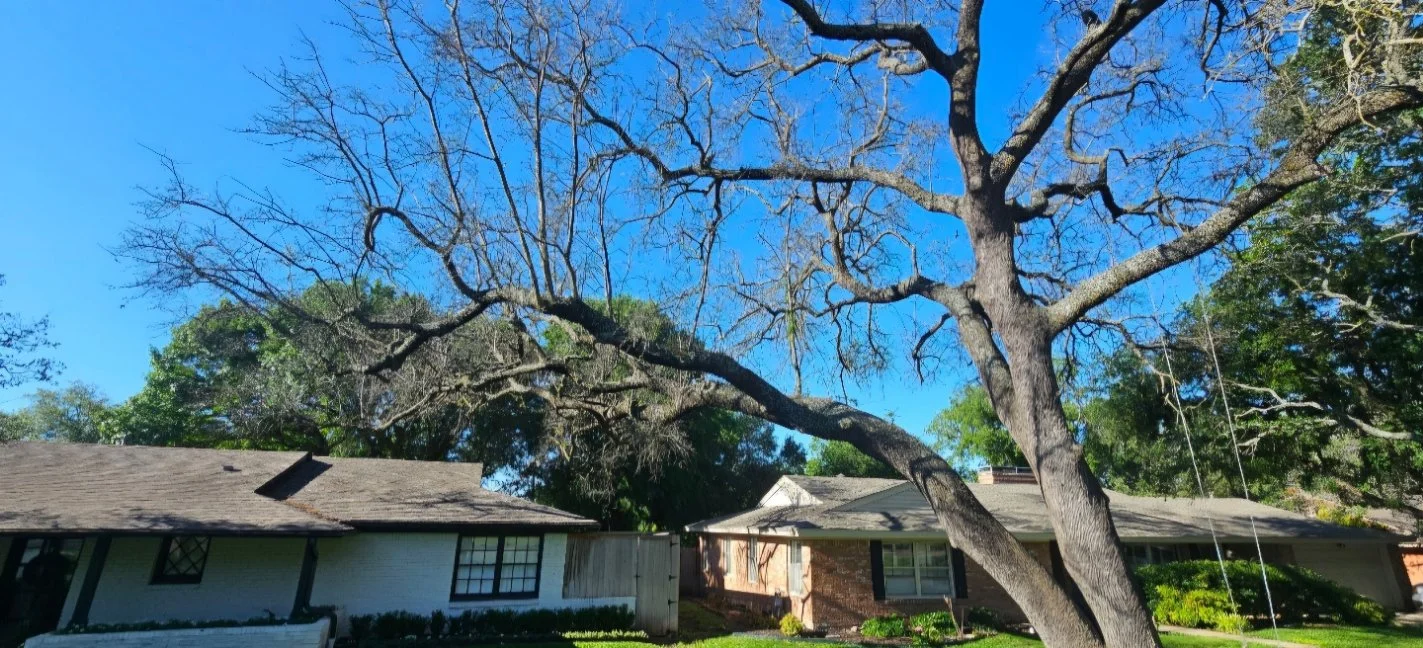

Arborist Assessment Before Removal
Before recommending removal, we evaluate the entire tree and site to determine whether alternatives exist.
Our assessment considers:
Tree species
Age and maturity
Structural condition
Defects and decay
Root health
Site limitations
Potential targets
Overall risk level
Not every tree with defects requires removal. Some trees can be successfully managed through pruning, risk reduction, cabling, bracing, or periodic monitoring.
The goal is not simply to remove trees. The goal is to determine the most appropriate recommendation based on the tree's condition and the client's objectives.
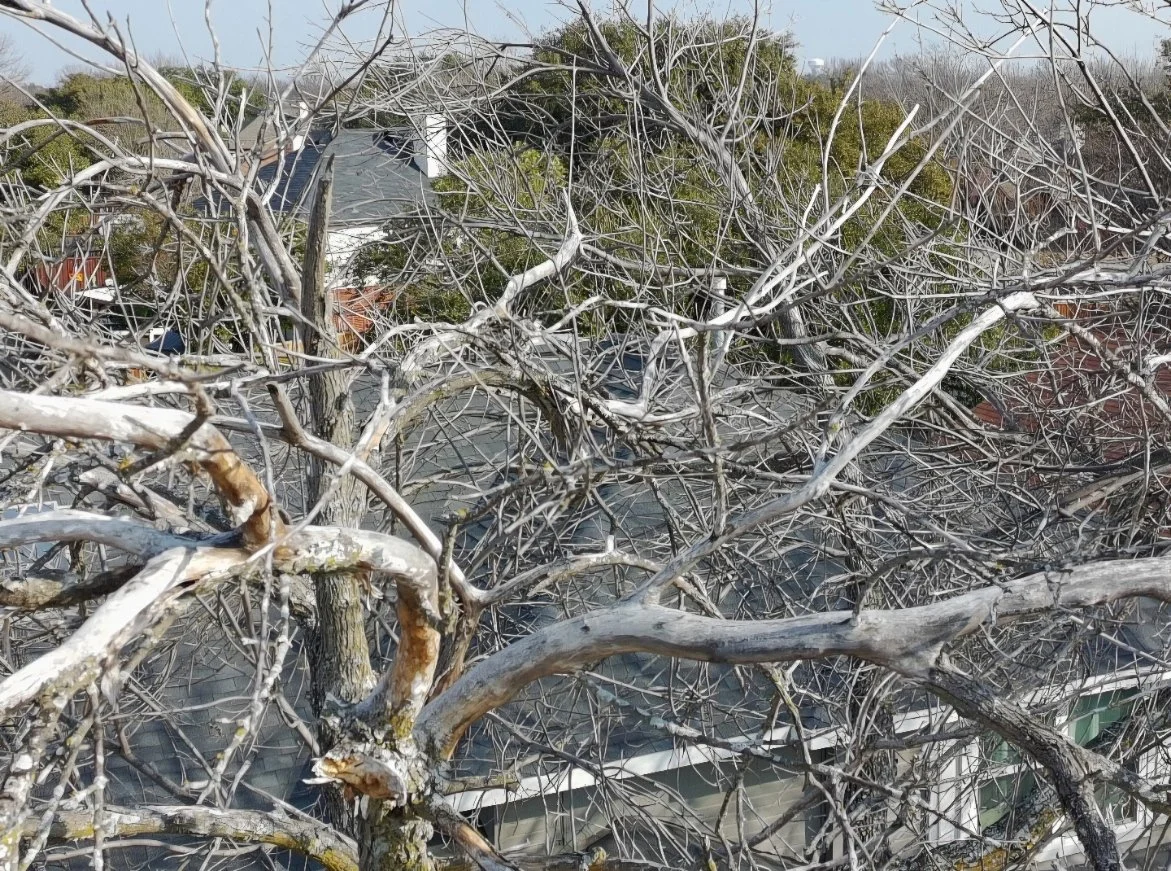
Dead Trees
Dead trees rapidly lose structural integrity and become increasingly unpredictable over time.
Structural Defects
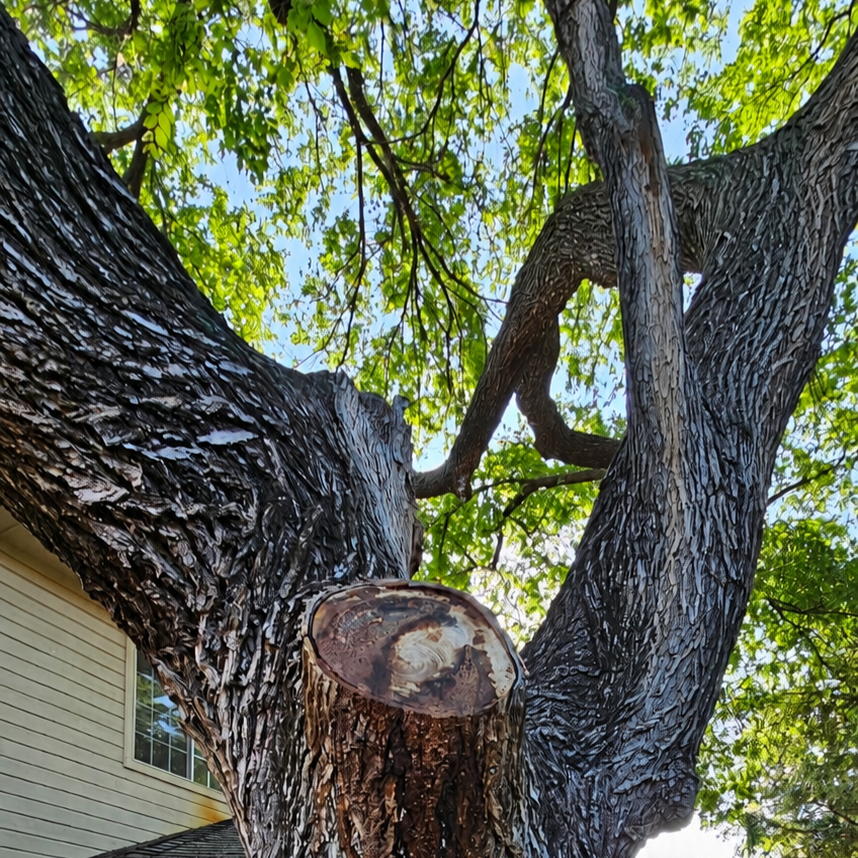
Large cavities, extensive decay, codominant stems, and trunk cracks can significantly increase failure potential.
Storm Damage
Wind, lightning, and severe weather can compromise a tree beyond practical repair.
Root Failure
Root decay, severed roots, soil movement, and root plate instability can create significant risk.
Construction Conflicts
Some trees experience irreversible damage from excavation, grade changes, utility installation, or development projects.
Declining Health
Certain trees reach a point where recovery is unlikely despite treatment efforts.
Common Reasons Trees Are Removed
How Tree Removal Is Performed
Professional tree removal involves much more than simply cutting a tree down.
Each removal begins with a site assessment to identify structures, utilities, access limitations, landscape features, and potential hazards.
Depending on site conditions, removal may involve:
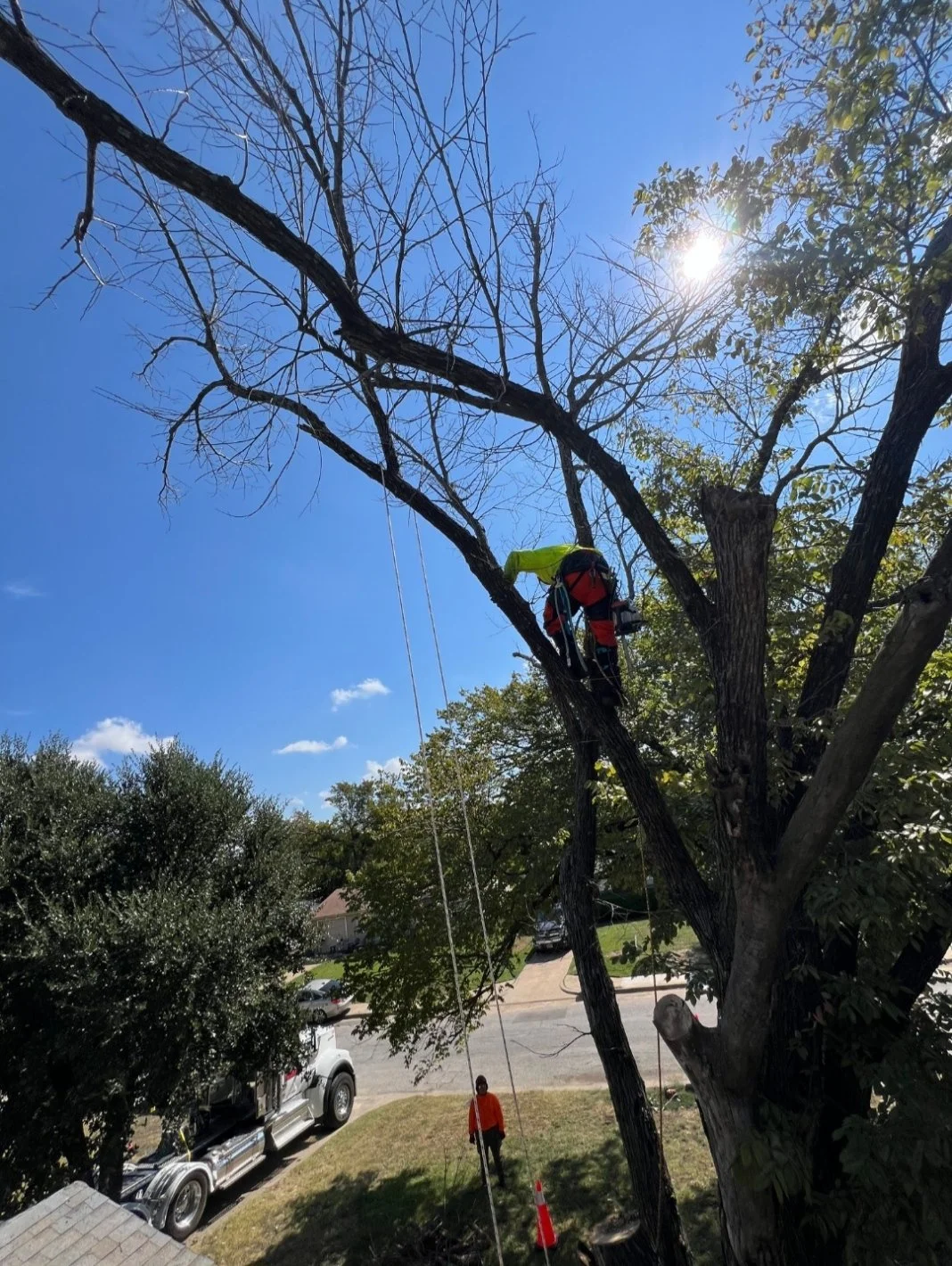
Climbing and dismantling the tree in sections
Rigging branches and wood for controlled lowering
Crane-assisted removals
Mechanical equipment when access allows
Ground-based felling in open areas
Throughout the process, the objective is controlled removal while protecting nearby structures, landscaping, utilities, and surrounding property.
Once the tree is removed, debris is processed, loaded, and removed from the site unless alternative arrangements have been made.
Once removal is complete, clients often want to know what comes next.
Options may include:
Debris Removal
Wood, brush, and debris are removed from the property unless otherwise requested.
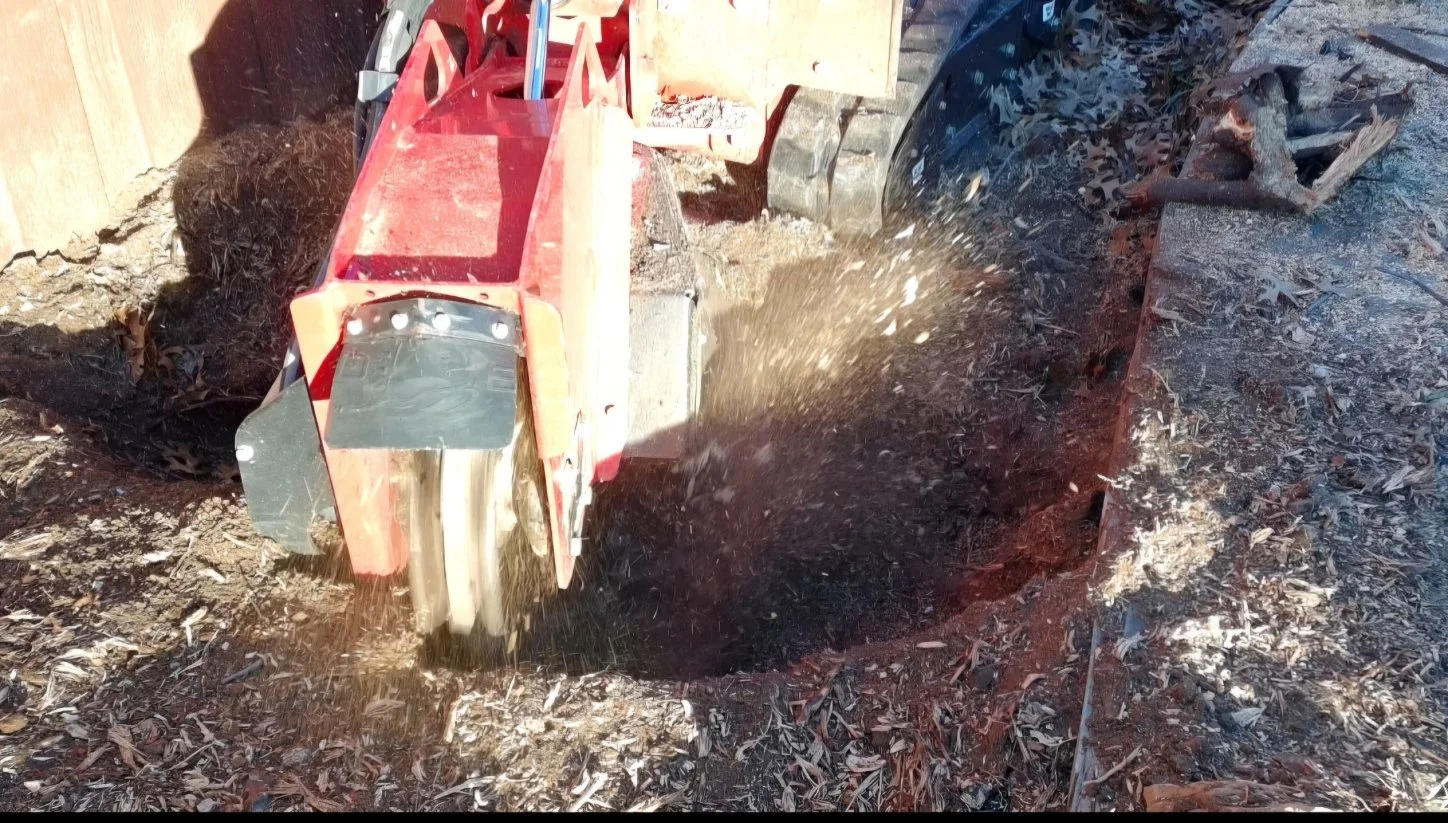
Stump Grinding
Stumps can be ground below grade to improve appearance and allow future use of the area.
Backfilling
Ground stump grindings and surrounding soil are typically used to fill the resulting depression.
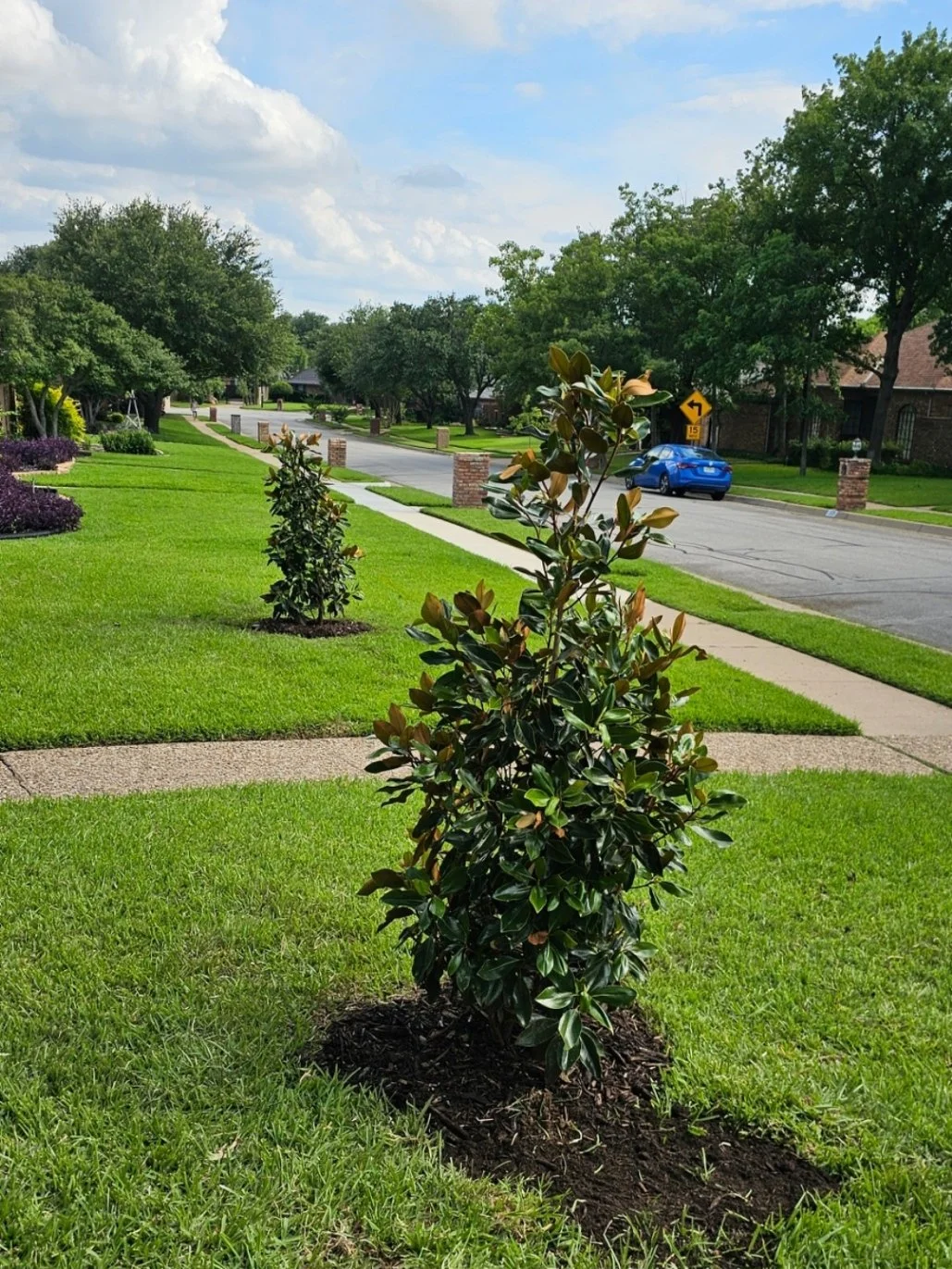
Replanting Recommendations
When appropriate, replacement tree recommendations can be provided based on site conditions and long-term objectives.
Future Tree Planning
Remaining trees may benefit from pruning, structural assessment, or preventative maintenance following a removal.
What Happens After Tree Removal
Tree Removal Service Area
JS Tree Techs provides professional tree removal services throughout the DFW communities:
Hurst
Euless
Bedford
North Richland Hills
Grapevine
Colleyville
Southlake
Keller
Trophy Club
Roanoke
Westlake
Northlake
Surrounding DFW communities
Our service area is focused on the Mid-Cities, northeast Tarrant County, and communities throughout DFW.
What We Avoid
Tree removal should reduce risk, not create it.
Our approach focuses on controlled operations and avoiding unnecessary hazards.
We avoid:
Uncontrolled free-falling wood
Property damage shortcuts
Improper rigging practices
Excessive landscape disturbance
Unsafe climbing practices
Inadequate work-zone control
Leaving avoidable damage behind
Every removal is planned around site conditions, access limitations, and protection of the surrounding property.
How do I know if my tree needs to be removed?
The only way to know for certain is through an inspection. Many trees that appear hazardous can often be managed through pruning or other arboricultural practices.
Can a dead tree be saved?
No. Once a tree is dead, removal is typically recommended.
Is a permit required to remove a tree?
Permit requirements vary by municipality. We can help identify local requirements when applicable.
Can you remove trees over houses?
Yes. Trees located above homes, pools, fences, and other structures are commonly removed using climbing and rigging techniques.
Do you offer stump grinding?
Yes. Stump grinding can be performed as part of the project or scheduled separately.
What happens to the wood?
Wood can be removed, left onsite, cut into firewood lengths, or handled according to client preferences.
How long does tree removal take?
Most residential removals are completed in a single day, though larger or more complex projects may require additional time.
Do you provide emergency tree removal?
Yes. Emergency response is available for storm-damaged and hazardous trees when conditions allow safe operations.
FAQ
Need Professional Tree Removal?
Whether you're dealing with a dead tree, storm damage, structural defects, or a hazardous condition, our ISA Certified Arborist can evaluate the tree and provide recommendations based on its condition and risk level.